
Has AI Finally Taken the Design Job?
The role of the designer is shifting from manual execution to strategic oversight. Explore how AI is transforming the creative industry from a threat into a powerful collaborative partner, and why the future of design lies in human-led creative direction.

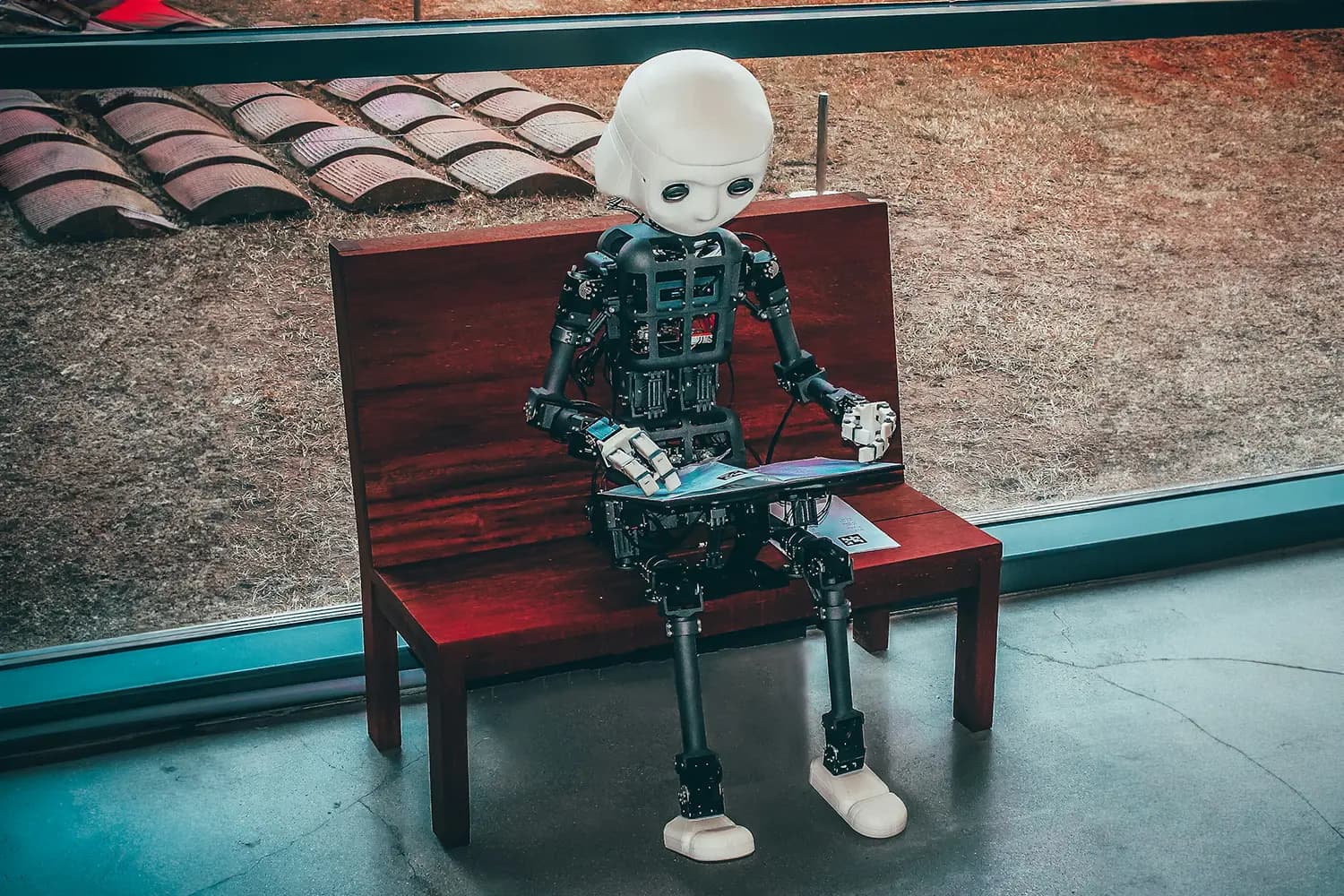
As artificial intelligence permeates every corner of the creative industry, the conversation has moved past the binary of “Will AI replace us?” toward a more nuanced reality: “How do we build a future where AI and human ingenuity work in tandem?” We are currently standing at a crossroads where the fundamental definition of a designer’s role is being rewritten in real-time.
The Evolution of Creative Utility
For years, the designer’s value was tethered to execution—the ability to manipulate software to bring a vision to life. Today, that technical friction is disappearing. If a high-fidelity asset can be generated in seconds via a text prompt, the "craft" is no longer about the brushstroke; it is about the vision behind the stroke.
The new hierarchy of creative value is built upon three pillars:
Strategic Intent:
Knowing
why
a design choice works. AI can iterate on a hundred variations, but it cannot explain how a specific aesthetic choice drives business objectives or resonates with a target audience.
Discernment:
In a world flooded with AI-generated content, the ability to curate—to distinguish between "good" and "great"—becomes a rare and premium skill.
Human Empathy:
AI lacks the capacity for genuine human connection. Designing with intent requires understanding the emotional context, cultural nuance, and systemic challenges that a prompt cannot fully capture.
From Operator to Creative Director
The professional landscape is tilting in favor of the Creative Director mindset. Designers are no longer just "makers"; they are now orchestrators of AI systems. In this framework, the designer provides the creative vision, iterates on machine-generated output, and synthesizes disparate elements into a unified brand story. AI acts as an tireless extension of the designer’s intent—a high-speed collaborator that executes at pace, provided it is guided by a steady human hand.
Defining the Next Era
Design remains, at its core, an act of communication. Whether using a stylus, a mouse, or a generative prompt, the goal remains the same: to convey a message from one mind to another. AI has not replaced the profession; it has simply updated the medium through which we communicate.
The designers who succeed in this new era will be those who resist the urge to view AI as an adversary. Instead, they will embrace it as a force multiplier, leveraging machine efficiency to clear the path for higher-level creative thinking. The design industry isn't dying—it is undergoing its most significant upgrade in decades. The question remains: are you ready to lead that transition?
Has AI Finally Taken the Design Job?
The role of the designer is shifting from manual execution to strategic oversight. Explore how AI is transforming the creative industry from a threat into a powerful collaborative partner, and why the future of design lies in human-led creative direction.


